The Hidden Risks of Blisters

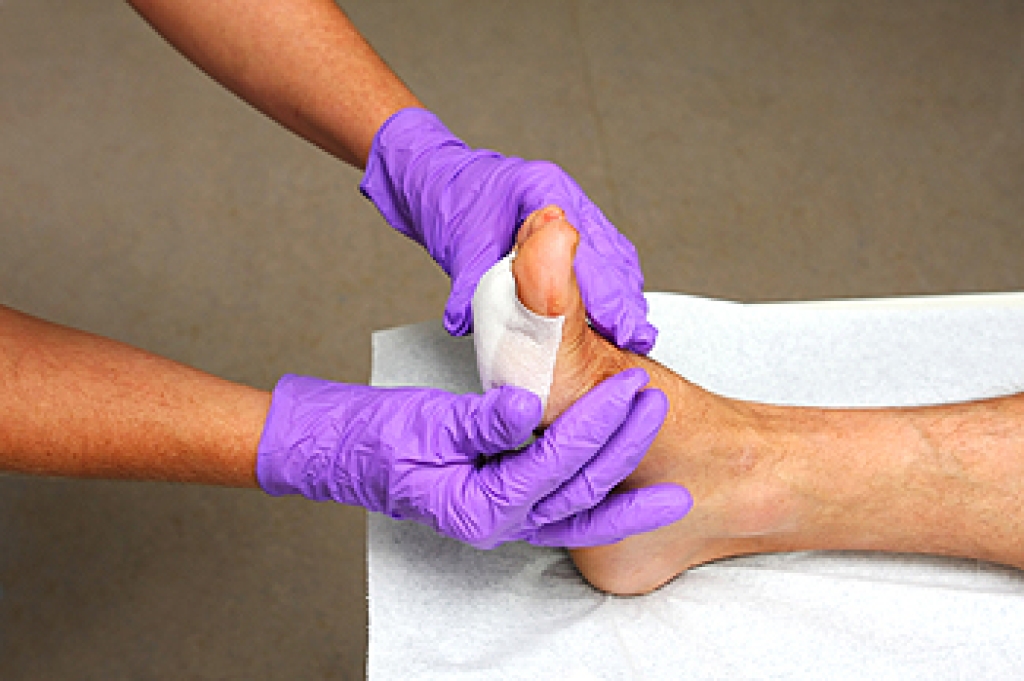
Blisters are pockets of fluid that form beneath the outer layer of skin. They develop when repeated rubbing or pressure damages the skin and causes fluid to collect in the affected area. On the feet, blisters frequently occur on the heels, toes or balls of the feet. Activities that involve extended periods of walking, running or standing can increase the risk. Shoes that are too tight can also contribute to blister formation. Footwear that lacks proper support may create extra movement inside the shoe, leading to friction and irritation. Blisters can cause discomfort, tenderness and pain that interferes with daily activities.

Although many blisters begin as a minor problem, they can become more serious when the skin breaks open. An open blister creates an entry point for bacteria, which can lead to infection. Signs of infection include redness, swelling and drainage. Additional symptoms may include warmth around the area or increasing pain. People with diabetes or circulation problems should take blisters seriously because even small skin injuries can develop into larger foot complications. Prompt evaluation by a podiatrist can help identify concerns before they worsen and can reduce the risk of long-term problems.

A podiatrist can determine the cause of recurring blisters and recommend treatment based on the condition of the skin and foot structure. Treatment may involve protective dressings, pressure-relieving devices or recommendations for properly fitted shoes. A podiatrist can also evaluate the way a patient walks to identify abnormal pressure points that contribute to repeated friction. Addressing these underlying factors helps reduce discomfort and lowers the chance of future blisters. Professional care is especially important when blisters are painful, recurrent or show signs of infection. Early treatment can help preserve skin health and keep patients active and comfortable. If you frequently develop blisters which have become infected, it is suggested that you schedule an appointment with a podiatrist for effective treatment solutions and prevention tips. 

Blisters are prone to making everyday activities extremely uncomfortable. If your feet are hurting, contact one of our podiatrists of Sayville Foot Care. Our doctors can provide the care you need to keep you pain-free and on your feet.

Foot Blisters

Foot blisters develop as a result of constantly wearing tight or ill-fitting footwear. This happens due to the constant rubbing from the shoe, which can often lead to pain.

What Are Foot Blisters?

A foot blister is a small fluid-filled pocket that forms on the upper-most layer of the skin. Blisters are filled with clear fluid and can lead to blood drainage or pus if the area becomes infected.

How Do Blisters Form?

Blisters on the feet are often the result of constant friction of skin and material, usually by shoe rubbing. Walking in sandals, boots, or shoes that don’t fit properly for long periods of time can result in a blister. Having consistent foot moisture and humidity can easily lead to blister formation.

Prevention & Treatment

It is important to properly care for the affected area in order to prevent infection and ease the pain. Do not lance the blister and use a Band-Aid to provide pain relief. Also, be sure to keep your feet dry and wear proper fitting shoes. If you see blood or pus in a blister, seek assistance from a podiatrist.

If you have any questions, please feel free to contact our office located in Sayville, NY . We offer the newest diagnostic and treatment technologies for all your foot care needs.

Read more about Blisters

Symptoms and Treatment for Turf Toe

Turf toe is an injury at the base of the big toe joint that happens when the toe bends too far upward. Common among football players, dancers, and other athletes, turf toe often occurs during running, jumping, or quick direction changes. These actions can strain or tear the ligaments and soft tissue surrounding the joint. Common symptoms include pain, swelling, and bruising. Stiffness and trouble pushing off while walking are other signs. A podiatrist can examine the joint and order X-rays or other imaging tests to help determine the severity of the sprain. Treatment includes taping, bracing and wearing stiff-soled shoes. In some cases, a walking boot may be prescribed to protect the toe while it heals. Gentle exercises can also aid in healing and improve strength. These include toe curls, towel scrunches, and marble pick-ups to help restore movement and support. If you have symptoms of turf toe, it is suggested that you schedule an appointment with a podiatrist for a diagnosis and appropriate treatment.

Toe pain can disrupt your daily activities. If you have any concerns, contact one of our podiatrists of Sayville Foot Care. Our doctors can provide the care you need to keep you pain-free and on your feet.

What Causes Toe Pain?

Most severe toe pain is caused due to a sports injury, trauma from dropping something heavy on the toe, or bumping into something rigid. Other problems can develop over time for various reasons.

Toe pain can be caused by one or more ailments. The most common include:

  • Trauma
  • Sports injury
  • Wearing shoes that are too tight
  • Arthritis
  • Gout
  • Corns and calluses
  • Hammertoe
  • Bunions
  • Blisters
  • Ingrown toenails
  • Sprains
  • Fractures (broken bones)
  • Dislocations

When to See a Podiatrist

  • Severe pain
  • Persistent pain that lasts more than a week
  • Signs of infection
  • Continued swelling
  • Pain that prevents walking

Diagnosis

In many cases the cause of toe pain is obvious, but in others, a podiatrist may want to use more advanced methods to determine the problem. These can range from simple visual inspections and sensation tests to X-rays and MRI scans. Prior medical history, family medical history, and any recent physical traumatic events will all be taken into consideration for a proper diagnosis.

Treatment

Treatments for toe pain and injuries vary and may include shoe inserts, padding, taping, medicines, injections, and in some cases, surgery. If you believe that you have broken a toe, please see a podiatrist as soon as possible.

If you have any questions please contact our office located in Sayville, NY . We offer the newest diagnostic and treatment technologies for all your foot and ankle needs.

Read more about Toe Pain

Gout Pain Can Be Managed

Gout is a painful, inflammatory form of arthritis. Those affected will typically feel an intense stiffness in the joints of their feet, particularly in the big toe. Schedule a visit to learn about how gout can be managed and treated.

Understanding Neuropathic Wounds

Neuropathic wounds are slow-healing injuries that often develop when nerve damage reduces feeling in the feet, making it easier to miss cuts, pressure spots, or irritation. People with diabetes are especially at risk because reduced sensation can allow small problems to worsen without notice. These wounds are among the more common long-lasting skin injuries treated by podiatrists, alongside circulation-related sores, pressure-related skin breakdown, and delayed healing after procedures. Neuropathic wounds often appear on pressure-bearing areas such as the bottom of the foot or toes. Treatment focuses on reducing pressure, removing damaged tissue when needed, controlling infection, and supporting healthy healing conditions. A podiatrist may also assess circulation, foot structure, and walking patterns that contribute to repeated injury. If you notice a sore on your foot that is not improving or you have numbness with skin breakdown, it is strongly suggested that you are under the care of a podiatrist to explore effective relief and management solutions. 

Wound care is an important part in dealing with diabetes. If you have diabetes and a foot wound or would like more information about wound care for diabetics, consult with one of our podiatrists from Sayville Foot Care. Our doctors will assess your condition and provide you with quality foot and ankle treatment.

What Is Wound Care?

Wound care is the practice of taking proper care of a wound. This can range from the smallest to the largest of wounds. While everyone can benefit from proper wound care, it is much more important for diabetics. Diabetics often suffer from poor blood circulation which causes wounds to heal much slower than they would in a non-diabetic. 

What Is the Importance of Wound Care?

While it may not seem apparent with small ulcers on the foot, for diabetics, any size ulcer can become infected. Diabetics often also suffer from neuropathy, or nerve loss. This means they might not even feel when they have an ulcer on their foot. If the wound becomes severely infected, amputation may be necessary. Therefore, it is of the upmost importance to properly care for any and all foot wounds.

How to Care for Wounds

The best way to care for foot wounds is to prevent them. For diabetics, this means daily inspections of the feet for any signs of abnormalities or ulcers. It is also recommended to see a podiatrist several times a year for a foot inspection. If you do have an ulcer, run the wound under water to clear dirt from the wound; then apply antibiotic ointment to the wound and cover with a bandage. Bandages should be changed daily and keeping pressure off the wound is smart. It is advised to see a podiatrist, who can keep an eye on it.

If you have any questions please contact our office located in Sayville, NY . We offer the newest diagnostic and treatment technologies for all your foot and ankle needs.

Read more about Wound Care

Causes and Grades of Ankle Sprains

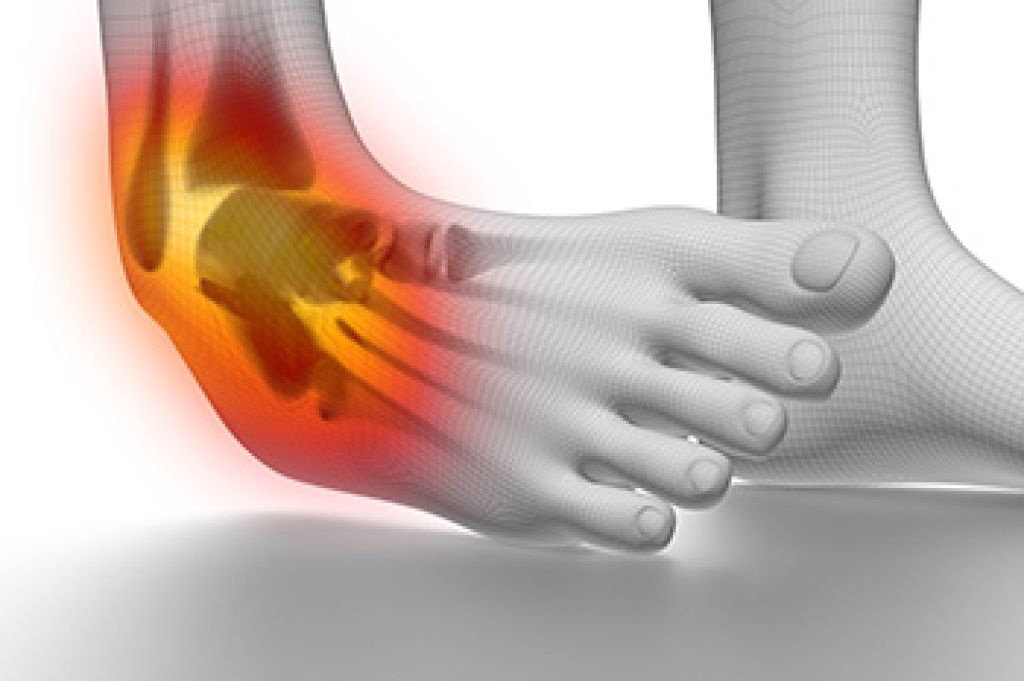
An ankle sprain occurs when strong bands of tissue, called ligaments, stretch or tear after the ankle twists or rolls. Common causes of ankle sprains include falls, sports injuries, or stepping awkwardly on uneven ground. Weak ankle muscles and previous ankle injuries increase the risk of another sprain. Doctors classify ankle sprains into three grades based on severity. A Grade 1 sprain is mild and includes slight stretching of the ligament, with minor swelling and pain. A Grade 2 sprain is moderate and includes a partial tear, bruising, swelling, and trouble walking. A Grade 3 sprain is severe and includes a complete ligament tear, severe pain, major swelling, and ankle instability. A podiatrist can examine the ankle and order imaging to check for fractures. Depending on the results, the proper treatment to restore strength and stability is provided. If you have sprained an ankle, it is suggested that you promptly schedule an appointment with a podiatrist for appropriate treatment solutions.

Ankle sprains are common but need immediate attention. If you need your feet checked, contact one of our podiatrists from Sayville Foot Care. Our doctors can provide the care you need to keep you pain-free and on your feet.

How Does an Ankle Sprain Occur?

Ankle sprains take place when the ligaments in your ankle are torn or stretched beyond their limits. There are multiple ways that the ankle can become injured, including twisting or rolling over onto your ankle, putting undue stress on it, or causing trauma to the ankle itself.

What Are the Symptoms?

  • Mild to moderate bruising
  • Limited mobility
  • Swelling
  • Discoloration of the skin (depending on severity)

Preventing a Sprain

  • Wearing appropriate shoes for the occasion
  • Stretching before exercises and sports
  • Knowing your limits

Treatment of a Sprain

Treatment of a sprain depends on the severity.  Many times, people are told to rest and remain off their feet completely, while others are given an air cast. If the sprain is very severe, surgery may be required.

If you have suffered an ankle sprain previously, you may want to consider additional support such as a brace and regular exercises to strengthen the ankle.

If you have any questions please feel free to contact our office located in Sayville, NY . We offer the newest diagnostic tools and technology to treat your foot and ankle needs.

Read more about Ankle Sprains

Connect With Us