When Sudden Toe Pain Signals Gout

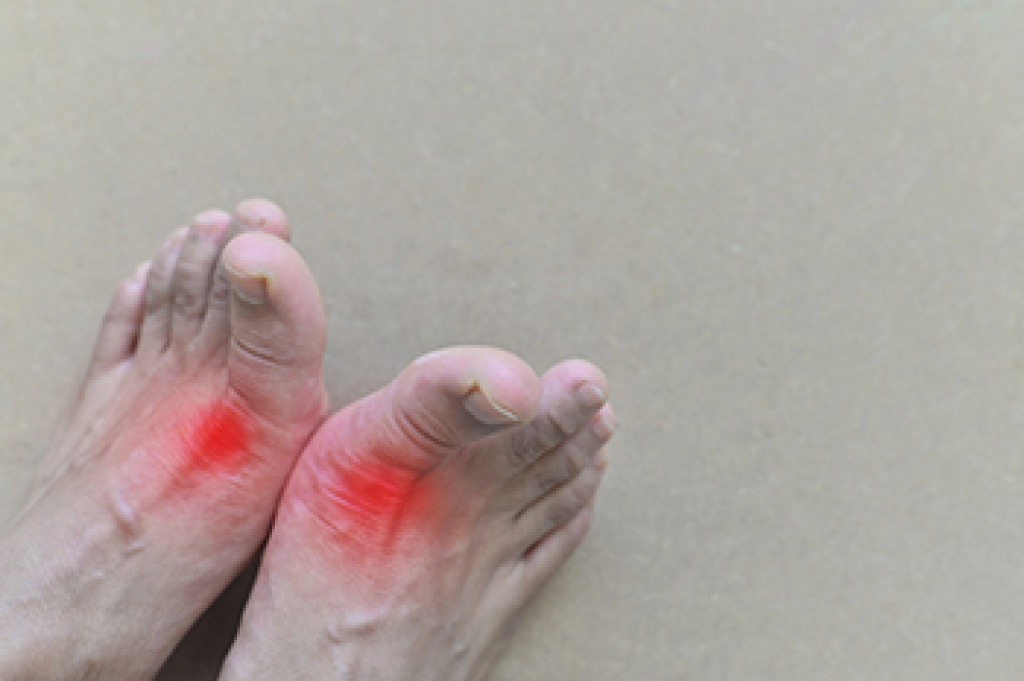
Gout is a form of inflammatory arthritis that often affects the foot, especially the big toe joint. It develops when uric acid builds up in the bloodstream and forms sharp crystals within the joint. This can lead to sudden and intense pain that may begin overnight, along with redness, warmth, and noticeable swelling. The joint may appear inflamed and feel extremely tender, making even light pressure from a bedsheet uncomfortable. Episodes can come and go, but without proper care, they may become more frequent or involve other joints. Common triggers include dehydration, certain foods, and alcohol use. Underlying medical conditions that affect how the body processes uric acid are other factors. A podiatrist can conduct tests for gout to help confirm the diagnosis. They also help coordinate care that may include medication to reduce inflammation and manage uric acid levels. Guidance on foot support and lifestyle adjustments may be provided. If you have gout, it is suggested that you make an appointment with a podiatrist.

Gout is a foot condition that requires certain treatment and care. If you are seeking treatment, contact one of our podiatrists from Sayville Foot Care. Our doctors will treat your foot and ankle needs.

What Is Gout?

Gout is a type of arthritis caused by a buildup of uric acid in the bloodstream. It often develops in the foot, especially the big toe area, although it can manifest in other parts of the body as well. Gout can make walking and standing very painful and is especially common in diabetics and the obese.

People typically get gout because of a poor diet. Genetic predisposition is also a factor. The children of parents who have had gout frequently have a chance of developing it themselves.

Gout can easily be identified by redness and inflammation of the big toe and the surrounding areas of the foot. Other symptoms include extreme fatigue, joint pain, and running high fevers. Sometimes corticosteroid drugs can be prescribed to treat gout, but the best way to combat this disease is to get more exercise and eat a better diet.

If you have any questions, please feel free to contact our office located in Sayville, NY . We offer the newest diagnostic and treatment technologies for all your foot care needs.

Read more about Gout

Foot Pain From Standing at Work

Standing for long hours at work can place constant pressure on the feet and lead to pain and structural strain. Repeated stress on the feet can irritate the plantar fascia, a strong band of tissue along the bottom of the foot, and lead to heel pain. It can also overload the forefoot, causing burning sensations, calluses, and joint discomfort. Muscles and tendons may become tight, while poor circulation can result in swelling and fatigue. This stress also may change how weight is distributed across the foot, increasing the risk of arch problems and toe deformities. A podiatrist can evaluate foot alignment, identify pressure points, and provide custom orthotics, shoe inserts designed to improve support and reduce strain. In some cases, bracing or other medical treatment may be prescribed to protect the feet during long work shifts. If you have foot problems related to standing all day at work, it is suggested that you schedule an appointment with a podiatrist for appropriate treatment.

While working on the feet, it is important to take the proper care of them. For more information about working on your feet, contact one of our podiatrists from Sayville Foot Care. Our doctors will treat your foot and ankle needs.

Working on Your Feet

Standing on your feet for long periods of time can cause stress and pain in your feet. Your whole body may experience change in terms of posture, back pain, bunions, callouses and or plantar warts. There are ways to avoid these conditions with proper foot care, smart choices and correct posture.

Positive Changes

Negative heeled shoe – Choosing this shoe type places the heel slightly lower than the ball of the foot. These are great for overall foot health. Find shoes that fit you correctly.

Go barefoot – Our feet were not designed to be enclosed for all hours of the day. Try to periodically expose your feet to air.

Eliminate Pain

Foot Exercises – Performing simple exercises, incorporating yoga and doing stretches are beneficial. This will allow increased blood flow to the area and muscles of the foot.

Achilles tendon – Stretching the foot out flat on the floor will relax the calf muscles and tendon. These exercises can be performed almost anywhere. Make sure you add these exercises to your daily regimen. 

With a little bit of this information and knowing more about foot health, you will notice changes. Foot stretches and proper footwear will help with pain and prevent further issues.

If you have any questions please contact our office located in Sayville, NY . We offer the newest diagnostic and treatment technologies for all your foot and ankle needs.

Read more about Working on Your Feet

Are You Suffering From Ingrown Toenails?

If left untreated, an ingrown toenail can lead to more serious concerns, such as an infection. Knowing proper nail care can help in the prevention of an ingrown toenail. Give us a call, and get treated!

Dangers of Compartment Syndrome

Compartment syndrome is a medical emergency that can develop in the foot after a severe injury, like a fracture or crush injury. The foot contains groups of muscles held within tight spaces called compartments, surrounded by a firm tissue known as fascia. When swelling or bleeding occurs, pressure can build inside these spaces and reduce blood flow. This limits oxygen to the muscles and nerves, leading to intense pain, swelling, and a tight or firm feeling in the foot. People may also notice numbness or tingling, often described as a pins-and-needles sensation. Pain may worsen with toe movement. If not treated quickly, compartment syndrome can lead to muscle damage, deformity, and long-term loss of foot function. A podiatrist can conduct a physical exam, order imaging, and perform surgery to relieve pressure. If you have symptoms of compartment syndrome, it is suggested that you make an immediate appointment with a podiatrist for treatment.

Foot and ankle trauma is common among athletes and the elderly. If you have concerns that you may have experienced trauma to the foot and ankle, consult with one of our podiatrists from Sayville Foot Care. Our doctors will assess your condition and provide you with quality foot and ankle treatment.

Foot and ankle trauma cover a range of injuries all over the foot; common injuries include:

  • Broken bones
  • Muscle strains
  • Injuries to the tendons and ligaments
  • Stress fractures

Symptoms

Symptoms of foot and ankle injuries vary depending on the injury, but more common ones include:

  • Bruising
  • Inflammation/ Swelling
  • Pain

Diagnosis

To properly diagnose the exact type of injury, podiatrists will conduct a number of different tests. Some of these include sensation and visual tests, X-rays, and MRIs. Medical and family histories will also be taken into account.

Treatment

Once the injury has been diagnosed, the podiatrist can than offer the best treatment options for you. In less severe cases, rest and keeping pressure off the foot may be all that’s necessary. Orthotics, such as a specially made shoes, or immobilization devices, like splints or casts, may be deemed necessary. Finally, if the injury is severe enough, surgery may be necessary.

If you have any questions, please feel free to contact our office located in Sayville, NY . We offer the newest diagnostic and treatment technologies for all your foot care needs.

Read more about Foot and Ankle Fractures

Why Some Diabetic Foot Ulcers Refuse to Heal

Diabetic foot ulcers can be frustrating because they often linger, even with careful treatment. High blood sugar slows healing by damaging blood vessels and reducing oxygen flow to the skin. Nerve damage can also play a role, since patients may not feel pressure or injury, allowing wounds to worsen unnoticed. Infection is another common factor that keeps ulcers from closing. Poor circulation in the lower legs and feet further limits the body’s ability to repair tissue. Inconsistent offloading, such as walking on the wound, can delay progress as well. Effective care usually requires a combination of wound cleaning, pressure relief, blood sugar control, and sometimes advanced therapies. Regular monitoring is important to catch changes early. If a foot ulcer is not improving or keeps returning, it is strongly suggested that you see a podiatrist for a proper diagnosis and timely treatment.

Wound care is an important part in dealing with diabetes. If you have diabetes and a foot wound or would like more information about wound care for diabetics, consult with one of our podiatrists from Sayville Foot Care. Our doctors will assess your condition and provide you with quality foot and ankle treatment.

What Is Wound Care?

Wound care is the practice of taking proper care of a wound. This can range from the smallest to the largest of wounds. While everyone can benefit from proper wound care, it is much more important for diabetics. Diabetics often suffer from poor blood circulation which causes wounds to heal much slower than they would in a non-diabetic. 

What Is the Importance of Wound Care?

While it may not seem apparent with small ulcers on the foot, for diabetics, any size ulcer can become infected. Diabetics often also suffer from neuropathy, or nerve loss. This means they might not even feel when they have an ulcer on their foot. If the wound becomes severely infected, amputation may be necessary. Therefore, it is of the upmost importance to properly care for any and all foot wounds.

How to Care for Wounds

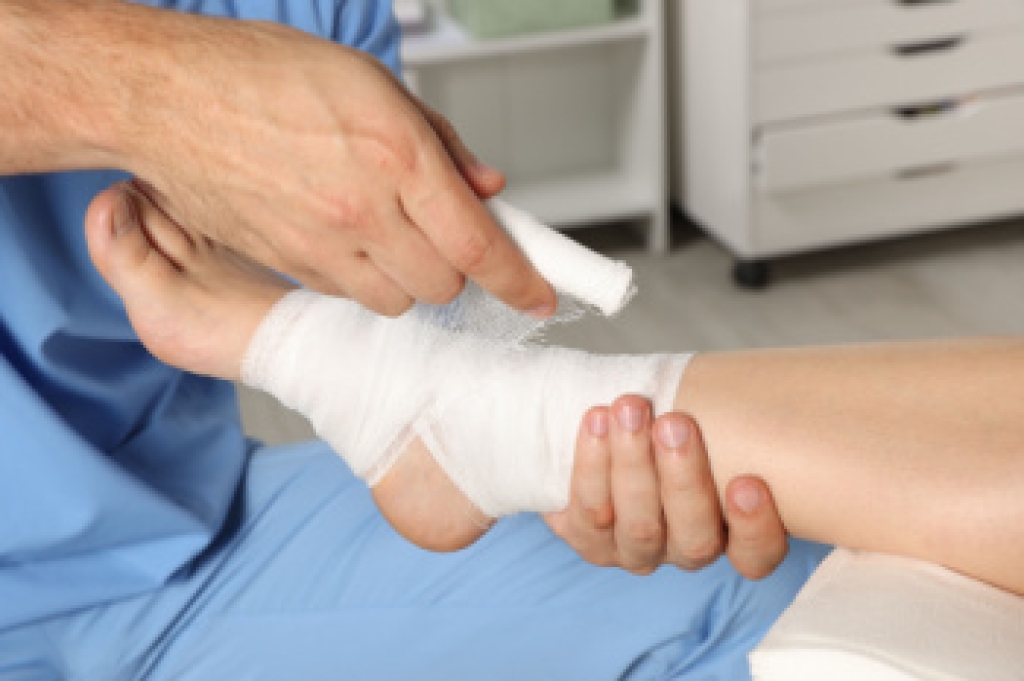
The best way to care for foot wounds is to prevent them. For diabetics, this means daily inspections of the feet for any signs of abnormalities or ulcers. It is also recommended to see a podiatrist several times a year for a foot inspection. If you do have an ulcer, run the wound under water to clear dirt from the wound; then apply antibiotic ointment to the wound and cover with a bandage. Bandages should be changed daily and keeping pressure off the wound is smart. It is advised to see a podiatrist, who can keep an eye on it.

If you have any questions please contact our office located in Sayville, NY . We offer the newest diagnostic and treatment technologies for all your foot and ankle needs.

Read more about Wound Care

Connect With Us