How Ballet Can Aggravate Bunions

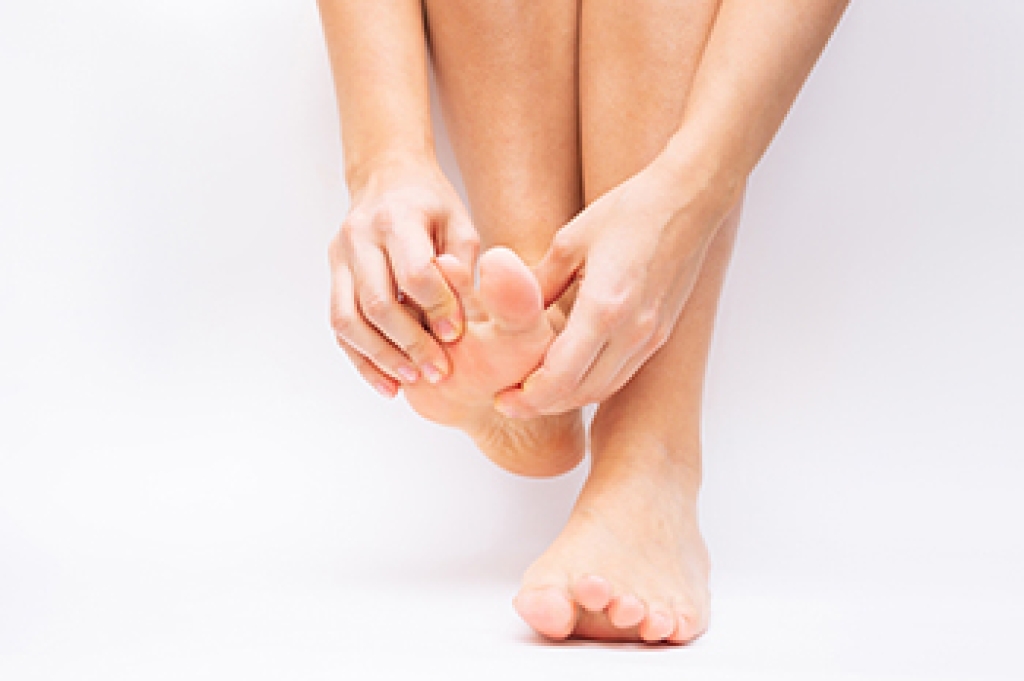
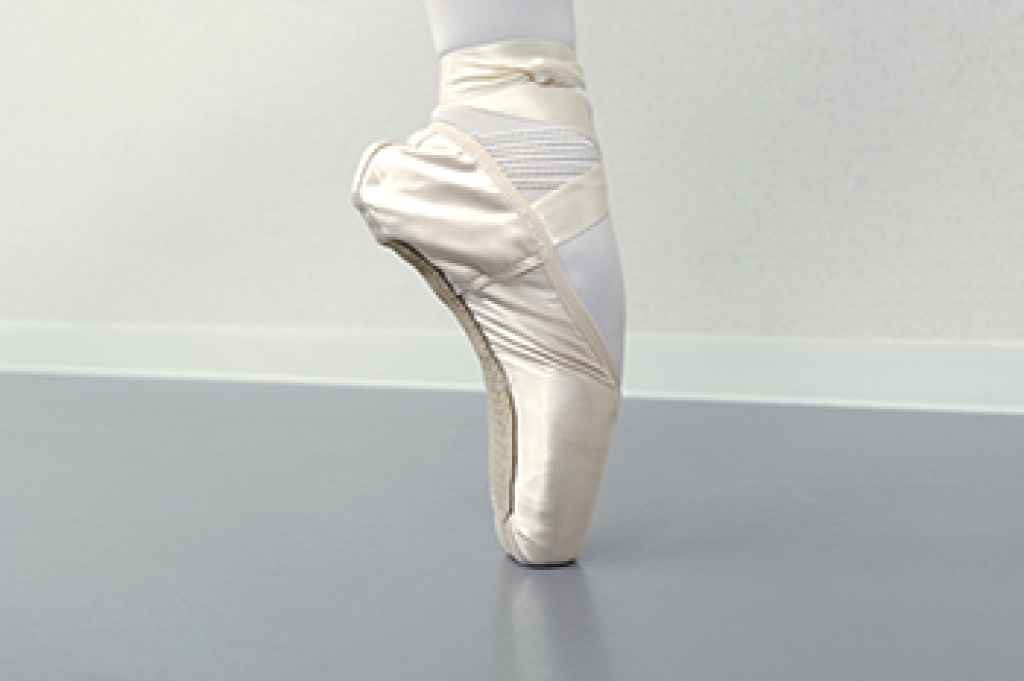
A bunion is a bony bump that forms at the base of the big toe when the joint shifts out of alignment. Bunions can lead to pain, swelling, and difficulty with footwear. Ballet can place significant stress on this area, especially during movements that require standing on the toes or working in tight, structured shoes. The pressure from pointe work and repetitive strain can worsen the deformity over time. Limited space in ballet shoes may also increase friction and discomfort around the joint. Dancers often continue training despite early symptoms, which can lead to increased irritation and progression of the condition. Proper footwear fitting, strength exercises, and early management can help reduce strain. If pain or changes in foot shape develop, it is suggested that you consult a podiatrist who can help manage symptoms, and support long-term foot health while continuing to dance.

If you are suffering from bunions, contact one of our podiatrists of Sayville Foot Care. Our doctors can provide the care you need to keep you pain-free and on your feet.

What Is a Bunion?

A bunion is formed of swollen tissue or an enlargement of boney growth, usually located at the base joint of the toe that connects to the foot. The swelling occurs due to the bones in the big toe shifting inward, which impacts the other toes of the foot. This causes the area around the base of the big toe to become inflamed and painful.

Why Do Bunions Form?

Genetics – Susceptibility to bunions are often hereditary

Stress on the feet – Poorly fitted and uncomfortable footwear that places stress on feet, such as heels, can worsen existing bunions

How Are Bunions Diagnosed?

Podiatrists often perform two tests – blood tests and x-rays – when trying to diagnose bunions, especially in the early stages of development. Blood tests help determine if the foot pain is being caused by something else, such as arthritis, while x-rays provide a clear picture of your bone structure to your provider.

How Are Bunions Treated?

  • Refrain from wearing heels or similar shoes that cause discomfort
  • Select wider shoes that can provide more comfort and reduce pain
  • Anti-inflammatory and pain management drugs
  • Orthotics or foot inserts
  • Surgery

If you have any questions, please feel free to contact our office located in Sayville, NY . We offer the newest diagnostic and treatment technologies for all your foot care needs.

Read more about Bunions

Symptoms and Risks of Midfoot Arthritis

Midfoot arthritis develops when cartilage in the arch of the foot deteriorates, causing pain, stiffness, and swelling. It often results from injury, aging, or long-term wear-and-tear on the joints. Many people notice discomfort during push-off when walking or while standing for long periods of time. Treatment focuses on relieving pain and maintaining mobility. Non-surgical options include wearing supportive footwear, custom orthotics, anti-inflammatory medications, and targeted exercises. When symptoms progress, corticosteroid injections or surgical fusion may be considered to stabilize the joints and reduce pain. If untreated, midfoot arthritis may worsen, leading to chronic pain, deformity, and limited activity. Early care helps preserve function and prevent complications. If you are experiencing ongoing foot pain or stiffness, it is suggested you see a podiatrist for an evaluation and appropriate treatment.

Arthritis can be a difficult condition to live with. If you are seeking treatment, contact one of our podiatrists from Sayville Foot Care. Our doctors can provide the care you need to keep you pain-free and on your feet.

Arthritic Foot Care  

Arthritis is a joint disorder that involves the inflammation of different joints in your body, such as those in your feet. Arthritis is often caused by a degenerative joint disease and causes mild to severe pain in all affected areas. In addition to this, swelling and stiffness in the affected joints can also be a common symptom of arthritis.

In many cases, wearing ill-fitting shoes can worsen the effects and pain of arthritis. Wearing shoes that have a lower heel and extra room can help your feet feel more comfortable. In cases of rheumatoid arthritis, the arch in your foot may become problematic. Buying shoes with proper arch support that contour to your feet can help immensely.

Alleviating Arthritic Pain

  • Exercises that stretch the foot can prevent further pain and injury and increase mobility
  • Most of the pain can be alleviated with anti-inflammatory drugs, heat, and topical medications
  • Massages can help temporarily alleviate pain.

It is best to see your doctor for the treatment that is right for your needs and symptoms. Conditions vary, and a podiatrist can help you determine the right method of care for your feet.

If you have any questions please feel free to contact our office located in Sayville, NY . We offer the newest diagnostic tools and technology to treat your foot and ankle needs.

Read more about How to Care for Your Arthritic Foot

Are Bunions Affecting Your Everyday Life?

Have you noticed a bony protrusion on the side of your big toe? If so, you may have developed the foot condition known as a bunion. Don't let bunions interfere with your daily activities.

Pain on the Inner Side of the Foot

Pain on the inner side of the foot can develop from strain in the muscles and soft tissue that support the arch and big toe. This pain is often linked to overuse, flat feet, and poor arch support in shoes. Sudden increases in activity or direct injury to the foot are other factors. People who stand for long hours at work or spend more time walking and running may notice soreness, swelling, tenderness, or tingling in this area. Because inner foot pain can feel similar to plantar fasciitis or tendon problems, a proper diagnosis is important. A podiatrist can examine the foot, check the arch, test movement, and order X-rays or other imaging tests to determine the cause. Treatment options include custom orthotics, supportive bracing, medication for pain relief, or surgery, in more serious cases. If you have pain on the inner side of the foot, it is suggested that you schedule an appointment with a podiatrist for a diagnosis and appropriate treatment. 

Foot Pain

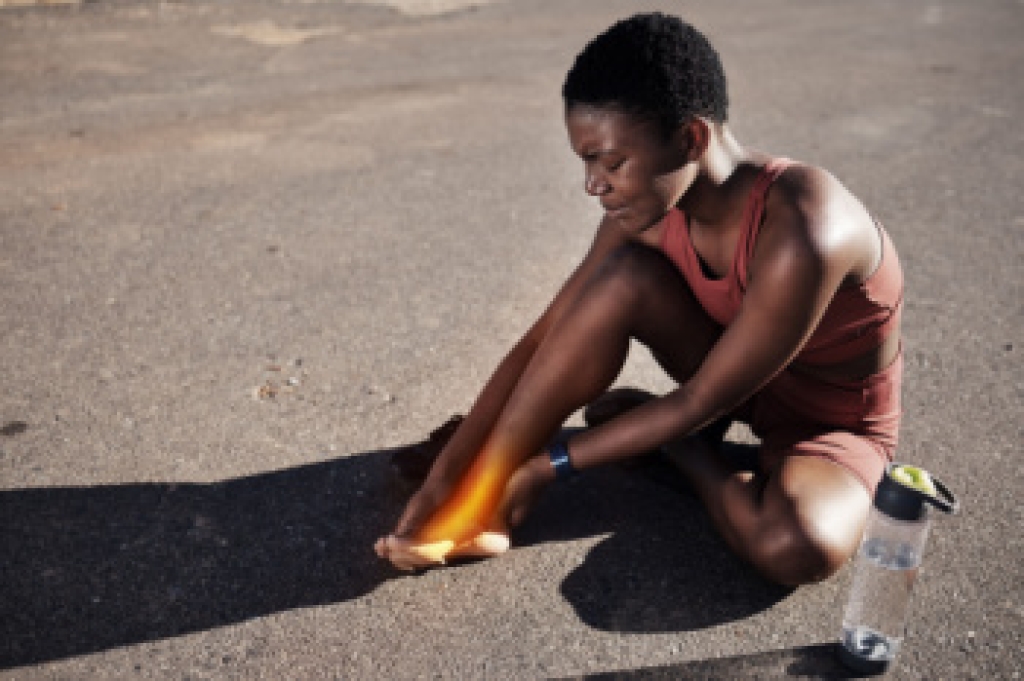
Foot pain can be extremely painful and debilitating. If you have a foot pain, consult with one of our podiatrists from Sayville Foot Care. Our doctors will assess your condition and provide you with quality foot and ankle treatment.

Causes

Foot pain is a very broad condition that could be caused by one or more ailments. The most common include:

  • Bunions
  • Hammertoes
  • Plantar Fasciitis
  • Bone Spurs
  • Corns
  • Tarsal Tunnel Syndrome
  • Ingrown Toenails
  • Arthritis (such as Gout, Rheumatoid, and Osteoarthritis)
  • Flat Feet
  • Injury (from stress fractures, broken toe, foot, ankle, Achilles tendon ruptures, and sprains)
  • And more

Diagnosis

To figure out the cause of foot pain, podiatrists utilize several different methods. This can range from simple visual inspections and sensation tests to X-rays and MRI scans. Prior medical history, family medical history, and any recent physical traumatic events will all be taken into consideration for a proper diagnosis.

Treatment

Treatment depends upon the cause of the foot pain. Whether it is resting, staying off the foot, or having surgery; podiatrists have a number of treatment options available for foot pain.

If you have any questions, please feel free to contact our office located in Sayville, NY . We offer the newest diagnostic and treatment technologies for all your foot care needs.
Read more about Foot Pain

Causes of Big Toe Joint Pain

Big toe joint pain can develop from several conditions that affect movement and weight-bearing. One common cause of big toe joint pain is arthritis of the joint. This occurs when cartilage wears down and leads to stiffness, pain, and reduced motion over time. Bunions can also create big toe joint pain by shifting the toe out of alignment and forming a hard bump at the base. Sudden, intense big toe pain may be linked to gout, caused when crystals build up in the joint and cause swelling and redness. Pain under the toe can come from irritation of two small bones beneath the big toe joint due to repeated pressure. Injuries, such as a sprain from bending the toe too far backward, can also lead to ongoing discomfort. Nerve irritation may cause burning or tingling sensations. A podiatrist can examine the big toe joint, assess movement, and use imaging to identify the exact cause and guide treatment. If you have big toe joint pain, it is suggested that you make an appointment with a podiatrist.

Toe pain can disrupt your daily activities. If you have any concerns, contact one of our podiatrists of Sayville Foot Care. Our doctors can provide the care you need to keep you pain-free and on your feet.

What Causes Toe Pain?

Most severe toe pain is caused due to a sports injury, trauma from dropping something heavy on the toe, or bumping into something rigid. Other problems can develop over time for various reasons.

Toe pain can be caused by one or more ailments. The most common include:

  • Trauma
  • Sports injury
  • Wearing shoes that are too tight
  • Arthritis
  • Gout
  • Corns and calluses
  • Hammertoe
  • Bunions
  • Blisters
  • Ingrown toenails
  • Sprains
  • Fractures (broken bones)
  • Dislocations

When to See a Podiatrist

  • Severe pain
  • Persistent pain that lasts more than a week
  • Signs of infection
  • Continued swelling
  • Pain that prevents walking

Diagnosis

In many cases the cause of toe pain is obvious, but in others, a podiatrist may want to use more advanced methods to determine the problem. These can range from simple visual inspections and sensation tests to X-rays and MRI scans. Prior medical history, family medical history, and any recent physical traumatic events will all be taken into consideration for a proper diagnosis.

Treatment

Treatments for toe pain and injuries vary and may include shoe inserts, padding, taping, medicines, injections, and in some cases, surgery. If you believe that you have broken a toe, please see a podiatrist as soon as possible.

If you have any questions please contact our office located in Sayville, NY . We offer the newest diagnostic and treatment technologies for all your foot and ankle needs.

Read more about Toe Pain

Connect With Us