
Connection Between Foot Health and Falls Prevention

Falls are a leading cause of injury, especially among older adults, but foot health plays an important role in maintaining balance and stability. Painful feet, reduced flexibility, or changes in the way a person walks can increase the risk of losing balance. Conditions such as arthritis, bunions, and nerve damage may make standing or walking more difficult. Weakness in the feet or ankles can also reduce stability during everyday activities. In addition, poor balance may develop gradually, making it difficult to recognize an increased fall risk. Because many foot problems progress if not treated, regular podiatry evaluations are an important part of falls prevention and maintaining long-term mobility.


Several factors can contribute to falls, including reduced muscle strength, changes in vision, and certain medical conditions. Foot pain or limited ankle movement may further affect walking mechanics and make it harder to recover from a loss of balance. Some people begin taking shorter or slower steps to avoid discomfort, which can increase instability instead of improving it. A comprehensive podiatry examination evaluates foot structure, joint function, and walking patterns to identify issues that may contribute to falls. Identifying these concerns early allows treatment to begin before balance problems lead to a serious injury. Addressing foot-related conditions may also improve confidence while walking and support greater independence.


A podiatrist specializes in diagnosing and treating foot and ankle conditions that may increase the risk of falls. Professional care focuses on improving foot function, relieving pain, and helping patients move with greater stability. Treatment is individualized based on each patient's symptoms, medical history, and mobility needs. Ongoing podiatry care also allows changes in foot health to be monitored so concerns can be addressed promptly. If you are experiencing foot pain, balance problems, or difficulty walking safely, it is suggested that you consult a podiatrist for an evaluation and appropriate treatment options.

Preventing falls among the elderly is very important. If you are older and have fallen or fear that you are prone to falling, consult with one of our podiatrists from Sayville Foot Care. Our doctors will assess your condition and provide you with quality advice and care.

Every 11 seconds, an elderly American is being treated in an emergency room for a fall related injury. Falls are the leading cause of head and hip injuries for those 65 and older. Due to decreases in strength, balance, senses, and lack of awareness, elderly persons are very susceptible to falling. Thankfully, there are a number of things older persons can do to prevent falls.

How to Prevent Falls

Some effective methods that older persons can do to prevent falls include:

  • Enrolling in strength and balance exercise program to increase balance and strength
  • Periodically having your sight and hearing checked
  • Discuss any medications you have with a doctor to see if it increases the risk of falling
  • Clearing the house of falling hazards and installing devices like grab bars and railings
  • Utilizing a walker or cane
  • Wearing shoes that provide good support and cushioning
  • Talking to family members about falling and increasing awareness

Falling can be a traumatic and embarrassing experience for elderly persons; this can make them less willing to leave the house, and less willing to talk to someone about their fears of falling. Doing such things, however, will increase the likelihood of tripping or losing one’s balance. Knowing the causes of falling and how to prevent them is the best way to mitigate the risk of serious injury.  

If you have any questions, please feel free to contact our office located in Sayville, NY . We offer the newest diagnostic and treatment technologies for all your foot care needs.

Read more about Falls Prevention

How Orthotics Help Relieve Foot Pain

Orthotics are shoe inserts designed to improve foot function, reduce discomfort, and support healthy movement. They help position the feet more effectively when muscles, tendons, ligaments, joints, or bones are not working together as they should. Orthotics can relieve pain caused by conditions like plantar fasciitis, bunions, hammertoes, flat feet, and high arches. They also help reduce foot fatigue during daily activities. Orthotics come in several forms, including over-the-counter inserts and custom-made devices. Choosing the right option depends on the cause of the problem, the structure of the foot, and the level of support needed. A careful evaluation helps determine which type is most appropriate for each patient.

A podiatrist performs a detailed examination that includes foot structure, walking pattern, and activity level before recommending orthotics. This assessment helps identify abnormal movement patterns and pressure points that contribute to pain. Custom orthotics are tailored to a patient’s unique foot structure, while over-the-counter inserts offer a generic solution that may not adequately address individual needs. A podiatrist also recommends shoes that provide proper support because even the best orthotics perform better inside well-fitting footwear. Regular follow-up visits help monitor comfort and determine whether adjustments are needed as symptoms or activity levels change.

Orthotics are not a one-size-fits-all solution, and using the wrong type can limit their benefits. Some patients need custom orthotics because of more complex foot problems or medical conditions like diabetes and severe arthritis. A podiatrist can determine which type best matches each patient's needs and long-term goals. Early evaluation helps improve comfort, support healthy foot mechanics, and reduce unnecessary stress on the feet while walking and standing. If you have symptoms of foot pain or conditions that could benefit from custom orthotics, it is suggested that you schedule an appointment with a podiatrist for diagnosis and treatment.

If you are having discomfort in your feet and would like to try orthotics, contact one of our podiatrists from Sayville Foot Care. Our doctors can provide the care you need to keep you pain-free and on your feet.

What Are Orthotics?

Orthotics are inserts you can place into your shoes to help with a variety of foot problems such as flat feet or foot pain. Orthotics provide relief and comfort for minor foot and heel pain but can’t correct serious biomechanical problems in your feet.

Over-the-Counter Inserts

Orthotics come in a wide variety of over-the-counter inserts that are used to treat foot pain, heel pain, and minor problems. For example, arch supports can be inserted into your shoes to help correct overarched or flat feet, while gel insoles are often used because they provide comfort and relief from foot and heel pain by alleviating pressure.

Prescription Orthotics

If over-the-counter inserts don’t work for you or if you have a more severe foot concern, it is possible to have your podiatrist prescribe custom orthotics. These high-quality inserts are designed to treat problems such as abnormal motion, plantar fasciitis, and severe forms of heel pain. They can even be used to help patients suffering from diabetes by treating foot ulcers and painful calluses and are usually molded to your feet individually, which allows them to provide full support and comfort.

If you are experiencing minor to severe foot or heel pain, it’s recommended to speak with your podiatrist about the possibilities of using orthotics. A podiatrist can determine which type of orthotic is right for you and allow you to take the first steps towards being pain-free.

If you have any questions, please feel free to contact our office located in Sayville, NY . We offer the newest diagnostic and treatment technologies for all your foot care needs.
Read more about Ankle Foot Orthotics for Athletes

Plantar Warts Can Be Treated!

Plantar warts are small growths that develop on parts of the feet that bear weight. They're typically found on the bottom of the foot. Don't live with plantar warts, and call us today!

How a Podiatrist Can Help Treat Morton's Neuroma

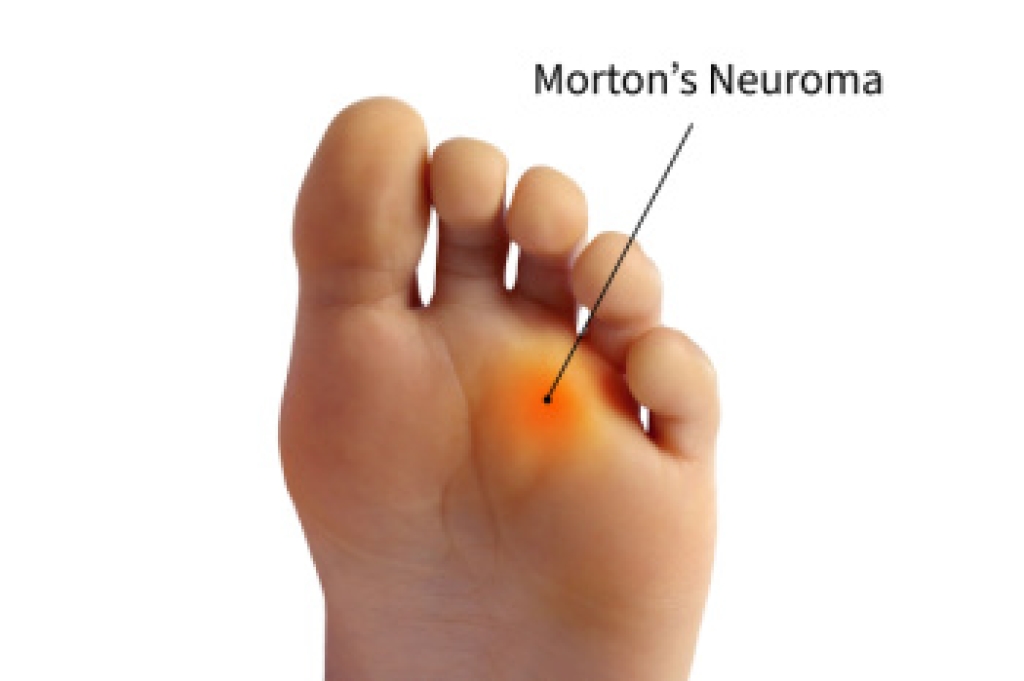
Morton's neuroma affects the tissue surrounding a nerve, most often between the third and fourth toes. Although it is called a neuroma, it is not a tumor. Instead, the tissue around the nerve becomes thickened, placing pressure on the nerve and causing discomfort. Many people describe the sensation as burning, tingling, or numbness in the front of the foot. Others feel as though they are standing on a small pebble or a fold in their sock. Symptoms may become worse while walking or during other weight-bearing activities. Because several foot conditions can produce similar symptoms, a professional evaluation is important to identify the underlying cause and recommend the most appropriate treatment.


Repeated pressure on the forefoot is believed to play a role in the development of Morton's neuroma. Factors such as foot structure, repetitive activities, or irritation of the nerve may contribute to the condition. As the affected tissue becomes thicker, pressure on the nerve can increase and symptoms may become more frequent. Ongoing discomfort may also change the way a person walks, placing additional stress on other areas of the foot. A thorough podiatry evaluation helps determine the location of the nerve irritation and rule out other causes of forefoot pain. Early diagnosis can improve treatment planning and help reduce the risk of worsening symptoms.


A podiatrist specializes in diagnosing and treating Morton's neuroma by evaluating foot structure, walking mechanics, and nerve function. Professional treatment is tailored to each patient's condition and focuses on relieving pressure on the affected nerve while improving overall foot function. Regular follow-up visits allow progress to be monitored and treatment to be adjusted when necessary. Early podiatry care may also help reduce pain and support a more comfortable return to daily activities. If burning pain, tingling, or numbness in your forefoot is affecting your mobility, it is suggested that you consult a podiatrist for an evaluation and appropriate treatment options.

Morton’s neuroma is a very uncomfortable condition to live with. If you think you have Morton’s neuroma, contact one of our podiatrists of Sayville Foot Care. Our doctors will attend to all of your foot care needs and answer any of your related questions.  

Morton’s Neuroma

Morton's neuroma is a painful foot condition that commonly affects the areas between the second and third or third and fourth toe, although other areas of the foot are also susceptible. Morton’s neuroma is caused by an inflamed nerve in the foot that is being squeezed and aggravated by surrounding bones.

What Increases the Chances of Having Morton’s Neuroma?

  • Ill-fitting high heels or shoes that add pressure to the toe or foot
  • Jogging, running or any sport that involves constant impact to the foot
  • Flat feet, bunions, and any other foot deformities

Morton’s neuroma is a very treatable condition. Orthotics and shoe inserts can often be used to alleviate the pain on the forefront of the feet. In more severe cases, corticosteroids can also be prescribed. In order to figure out the best treatment for your neuroma, it’s recommended to seek the care of a podiatrist who can diagnose your condition and provide different treatment options.

If you have any questions, please feel free to contact our office located in Sayville, NY . We offer the newest diagnostic and treatment technologies for all your foot care needs.
Read more about Morton's Neuroma

Common Causes of Swollen Feet and Ankles

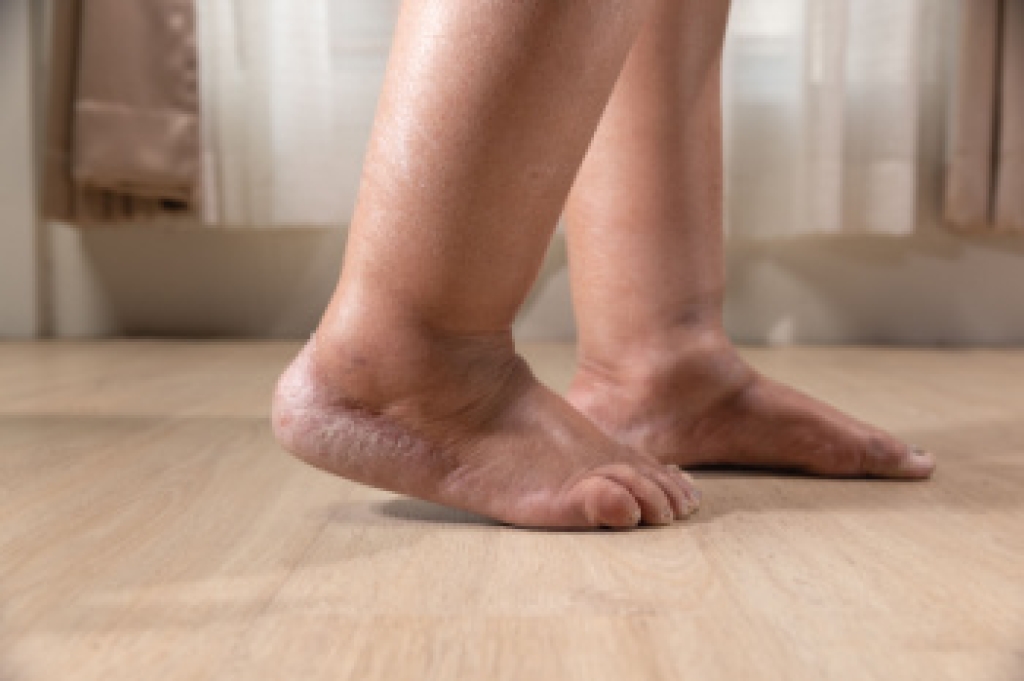
Swollen feet and ankles are a common condition that can affect people of all ages. This condition, often referred to as edema, occurs when excess fluid builds up in the tissues of the lower extremities. It may develop gradually or appear suddenly, depending on the underlying cause. Common causes include prolonged standing or sitting, certain medications, and medical conditions such as heart, kidney, or circulatory issues. Understanding the source of swelling is important for proper care and prevention.


Symptoms of swollen feet may include visible puffiness, tight or shiny skin, and a feeling of heaviness in the lower legs. Some individuals experience discomfort, stiffness, or difficulty fitting into shoes. In more severe cases, pressing on the skin may leave a temporary indentation. Risk factors include aging, obesity and pregnancy, in addition to a sedentary lifestyle, and occupations that require long hours of standing. These factors can impair circulation and lead to fluid retention in the feet and ankles.


Medications such as blood pressure drugs, anti-inflammatory medications, and certain hormones can also contribute to swelling. Underlying medical conditions like venous insufficiency or lymphatic dysfunction may worsen symptoms. High-salt diets can increase fluid retention, placing additional strain on the body's ability to regulate fluid balance. Identifying these contributing factors allows for better management and can help reduce recurring swelling.


Managing swollen feet involves lifestyle changes such as elevating the legs, reducing salt intake, and staying active to improve circulation. Wearing supportive footwear and compression garments may also help control symptoms. Persistent or unexplained swelling should not be ignored, as it may indicate a more serious condition. If you have swollen feet or ankles that do not improve or continue to worsen, it is suggested that you consult a podiatrist for effective relief and management tips.

Swollen feet can be a sign of an underlying condition. If you have any concerns, contact one of our podiatrists of Sayville Foot Care. Our doctors can provide the care you need to keep you pain-free and on your feet.

Swollen feet are a common ailment among pregnant women and people who stand or sit for extended periods. Aging may increase the possibility of swollen feet and patients who are obese often notice when their feet are swelling too. There may be medical reasons why swollen feet occur:

  • Phlebitis - A condition that causes the veins to become inflamed and can also cause leg pain.
  • Liver disease - This may lead to low blood levels of albumin which is a protein. This can cause fluid in the blood to pass into the tissues and several areas of the body can become swollen.
  • Heart failure - When the heart doesn’t pump properly the blood that is normally pumped back to the heart can pool in the veins of the legs causing swollen feet.
  • Kidney disease - One of the main functions of the kidneys is releasing excess fluid in the body. This type of condition can make it difficult for the kidneys to function properly, and as a result the feet may become swollen.
  • Deep-vein thrombosis (DVT)- This is a serious condition where blood clots form in the veins of the legs. They can block the return of blood from the legs to the heart which may cause the feet to swell. It is important to be treated by a podiatrist if this condition is present.

Swollen feet can also be caused by bone and tendon conditions, including fractures, arthritis, and tendinitis. Additionally, there may be skin and toenail conditions and an infection may cause the feet to swell. Patients who take medicine to treat high blood pressure may be prone to getting swollen feet. 

Many patients elevate their feet to help relieve the swelling and this is generally a temporary remedy. When a podiatrist is consulted the reason behind the swelling can be uncovered and subsequently treated.

If you have any questions please contact our office located in Sayville, NY . We offer the newest diagnostic and treatment technologies for all your foot and ankle needs.

Read more about Swelling of the Feet

Connect With Us