What You Should Know About Bunions

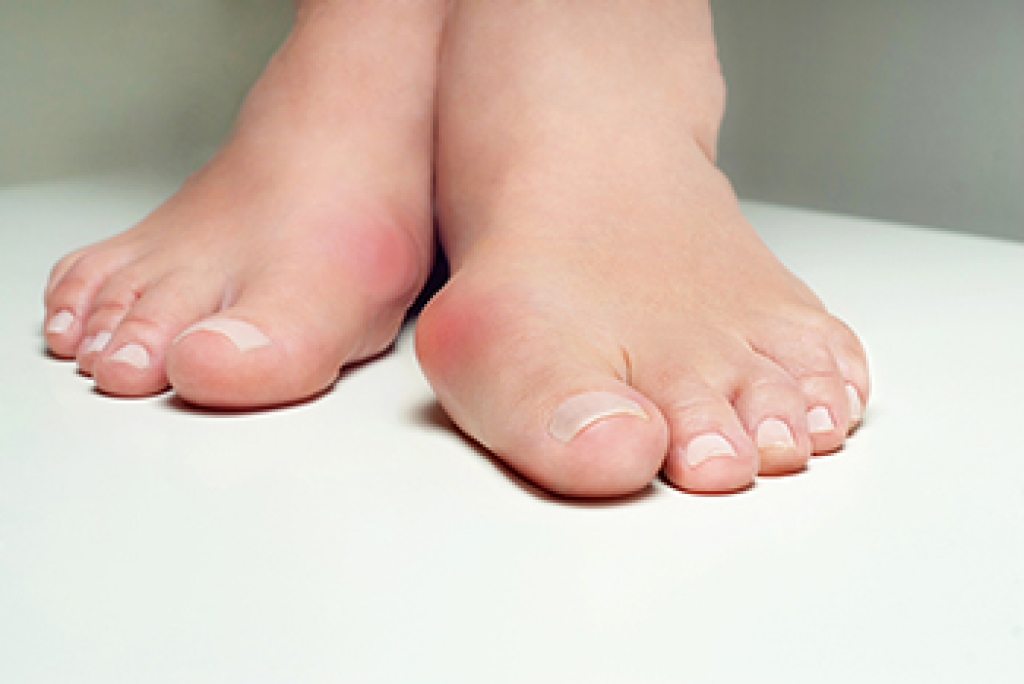
A bunion is a bony bump that forms at the base of the big toe, where the toe meets the foot. Meanwhile, the big toe gradually shifts toward the smaller toes. This change can place extra pressure on the joint and make walking uncomfortable. People with bunions frequently notice pain, swelling, and redness surrounding the affected area. The joint can also become stiff, making it harder to move the big toe. Bunions develop for several reasons, including inherited foot structure, arthritis, and wearing shoes that do not fit properly. A podiatrist examines the foot, evaluates the alignment of the toe, and determines how much the joint has changed. X-rays provide detailed images that help guide diagnosis and treatment.

As a bunion worsens, it can affect the way weight is distributed across the foot. This added pressure sometimes causes calluses or irritation where the toes rub together. In more advanced cases, the second toe can also change position. Pain can increase while walking or standing for long periods of time, making everyday activities more difficult. A podiatrist evaluates the severity of the bunion and checks for joint damage, reduced motion, and changes in foot function. Early diagnosis helps identify the best treatment approach before the deformity becomes more severe. A deformity is an abnormal change in the shape or position of a body part.

Treatment focuses on reducing discomfort, improving foot function, and slowing the progression of the bunion. A podiatrist develops a personalized treatment plan based on the size of the bunion and the condition of the joint. Care includes recommending shoes that fit properly, providing custom shoe inserts, and monitoring changes in the foot. Custom orthotics are specially made shoe inserts that improve foot support and alignment. When the bunion causes significant pain or severely limits movement, surgery can correct the position of the joint. If you have symptoms of a bunion, it is suggested that you schedule an appointment with a podiatrist for diagnosis and appropriate treatment.

If you are suffering from bunion pain, contact one of our podiatrists of Sayville Foot Care. Our doctors can provide the care you need to keep you pain-free and on your feet.

What Is a Bunion?

Bunions are painful bony bumps that usually develop on the inside of the foot at the joint of the big toe. As the deformity increases over time, it may become painful to walk and wear shoes. Women are more likely to exacerbate existing bunions since they often wear tight, narrow shoes that shift their toes together. Bunion pain can be relieved by wearing wider shoes with enough room for the toes.

Causes

  • Genetics – some people inherit feet that are more prone to bunion development
  • Inflammatory Conditions - rheumatoid arthritis and polio may cause bunion development

Symptoms

  • Redness and inflammation
  • Pain and tenderness
  • Callus or corns on the bump
  • Restricted motion in the big toe

In order to diagnose your bunion, your podiatrist may ask about your medical history, symptoms, and general health. Your doctor might also order an x-ray to take a closer look at your feet. Nonsurgical treatment options include orthotics, padding, icing, changes in footwear, and medication. If nonsurgical treatments don’t alleviate your bunion pain, surgery may be necessary.

If you have any questions, please feel free to contact our office located in Sayville, NY . We offer the newest diagnostic and treatment technologies for all your foot care needs.
Read more about What Are Bunions?

Choosing the Best Shoes for Your Child's Growing Feet

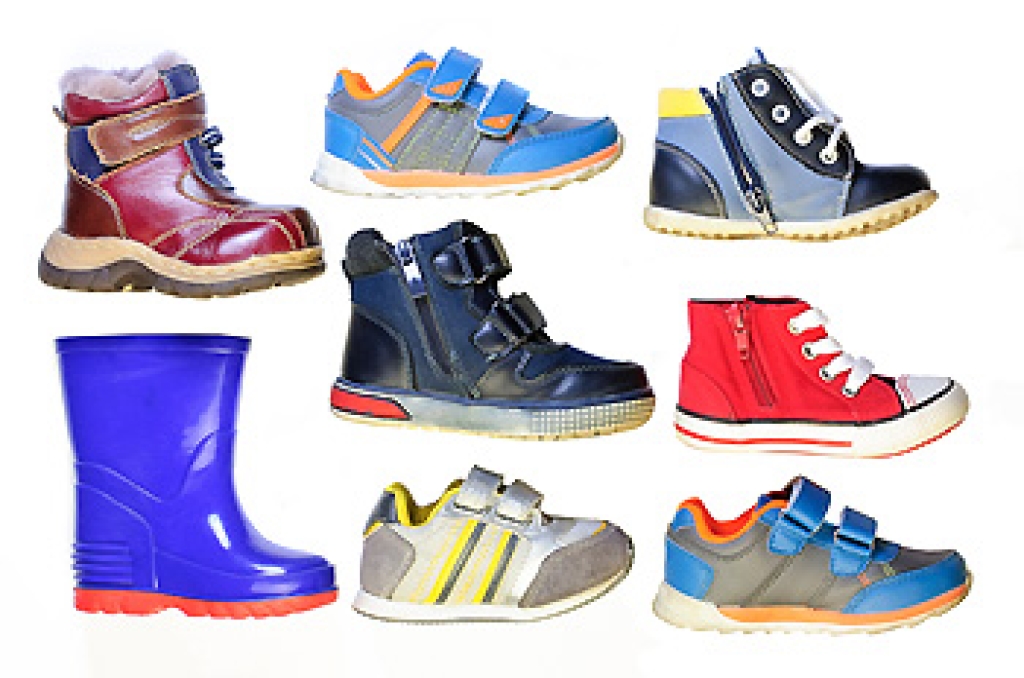
Choosing the right shoes for a child is a great way to support healthy foot development and promote comfort while walking, running, and playing. Children's feet are still growing, and the bones, muscles, and ligaments are not fully developed. Many toddlers have flat-looking feet when they first begin walking because a layer of fat hides the arch. This is usually a normal part of growth. Shoes should protect the feet while allowing natural movement. A good shoe includes a comfortable fit, enough room for the toes, and a flexible sole that bends near the front of the foot. The shoe should also have a secure fastening system, such as laces or straps, to help keep the foot stable inside the shoe.

As children become more active, shoes that fit properly become even more important. Shoes that are too tight can lead to discomfort and can contribute to problems like ingrown toenails. Shoes that are too loose can affect balance and increase the risk of tripping. Children's feet grow quickly, and changes in size can occur within a relatively short period. Some children also walk with their feet turned inward or outward during early childhood. In many cases, these walking patterns improve as strength, posture, and coordination develop. However, severe changes in walking patterns or symptoms that affect only one leg deserve professional evaluation. A podiatrist can assess foot structure, walking patterns, and shoe fit to determine whether treatment is needed.

Parents should also watch for signs that a child may be experiencing a foot problem. Warning signs include foot or heel pain, limping, or stiffness. Other concerns include persistent flat feet that limit activity, unusually shaped toes, or difficulty keeping up with other children while walking or running. A podiatrist can examine the feet, identify the cause of symptoms, and recommend appropriate treatment. Professional guidance can also help parents choose shoes that support healthy growth and comfortable movement. If your child has foot pain or if you need help in managing your child's foot health, it is suggested that you schedule an appointment with a podiatrist.

Making sure that your children maintain good foot health is very important as they grow. If you have any questions, contact one of our podiatrists of Sayville Foot Care. Our doctors can provide the care you need to keep you pain-free and on your feet.

Keeping Children's Feet Healthy

Having healthy feet during childhood can help prevent medical problems later in life, namely in the back and legs. As children grow, their feet require different types of care. Here are some things to consider...

Although babies do not walk yet, it is still very important to take care of their feet.

Avoid putting tight shoes or socks on his or her feet.

Allow the baby to stretch and kick his or her feet to feel comfortable.

As a toddler, kids are now on the move and begin to develop differently. At this age, toddlers are getting a feel for walking, so don’t be alarmed if your toddler is unsteady or ‘walks funny’. 

As your child gets older, it is important to teach them how to take care of their feet.

Show them proper hygiene to prevent infections such as fungus.

Be watchful for any pain or injury.

Have all injuries checked by a doctor as soon as possible.

Comfortable, protective shoes should always be worn, especially at play.

If you have any questions, please feel free to contact our office located in Sayville, NY . We offer the newest diagnostic and treatment technologies for all your foot care needs.

Read more about How to Care for Your Child's Feet

Connect With Us