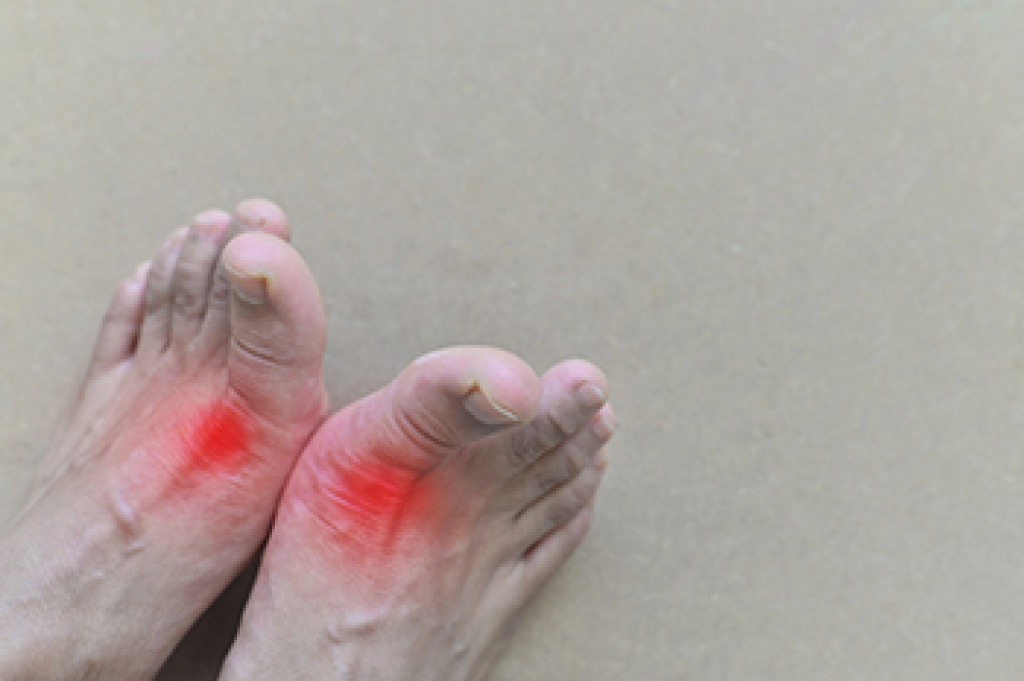
Understanding Gout and Foot Pain

Gout is a form of arthritis that can cause sudden and intense joint pain. It develops when uric acid builds up in the body and forms small crystals inside or around a joint. Uric acid is a waste product that is normally carried in the blood and removed from the body. Gout frequently affects the joint at the base of the big toe, although other foot and ankle joints can also be involved. Symptoms can include severe pain, swelling, and redness. The affected joint can also feel warm and extremely sensitive to pressure. A gout attack can begin suddenly, and even light contact against the painful area can be uncomfortable. Repeated attacks can affect normal joint function and make standing or walking difficult.

A podiatrist can evaluate foot or ankle pain to determine whether the symptoms are consistent with gout. An examination can include checking the location of pain, joint swelling, and areas of tenderness. The podiatrist can also evaluate how the affected joint moves and determine how symptoms are influencing foot function. Treatment can focus on reducing pain and inflammation associated with a gout attack. A podiatrist can also address foot problems that make standing or walking uncomfortable while the joint is irritated. When gout affects the big toe, treatment can help reduce pressure on the painful joint and support better foot function. Care can be adjusted according to the patient's symptoms and examination findings.

Gout can interfere with work, exercise, and everyday activities because placing pressure on the affected foot can be painful. Repeated episodes can also contribute to joint stiffness and reduced movement. A podiatrist can monitor changes in the affected foot and develop a treatment plan based on the patient's symptoms. Care can focus on protecting painful joints and improving comfort while walking. The podiatrist can also identify related foot problems that could place additional pressure on sensitive areas. Proper evaluation is important because several foot conditions can cause symptoms that resemble gout. If you have symptoms of gout, it is suggested that you make an appointment with a podiatrist for diagnosis and treatment.

Gout is a foot condition that requires certain treatment and care. If you are seeking treatment, contact one of our podiatrists from Sayville Foot Care. Our doctors will treat your foot and ankle needs.

What Is Gout?

Gout is a type of arthritis caused by a buildup of uric acid in the bloodstream. It often develops in the foot, especially the big toe area, although it can manifest in other parts of the body as well. Gout can make walking and standing very painful and is especially common in diabetics and the obese.

People typically get gout because of a poor diet. Genetic predisposition is also a factor. The children of parents who have had gout frequently have a chance of developing it themselves.

Gout can easily be identified by redness and inflammation of the big toe and the surrounding areas of the foot. Other symptoms include extreme fatigue, joint pain, and running high fevers. Sometimes corticosteroid drugs can be prescribed to treat gout, but the best way to combat this disease is to get more exercise and eat a better diet.

If you have any questions, please feel free to contact our office located in Sayville, NY . We offer the newest diagnostic and treatment technologies for all your foot care needs.
Read more about Gout

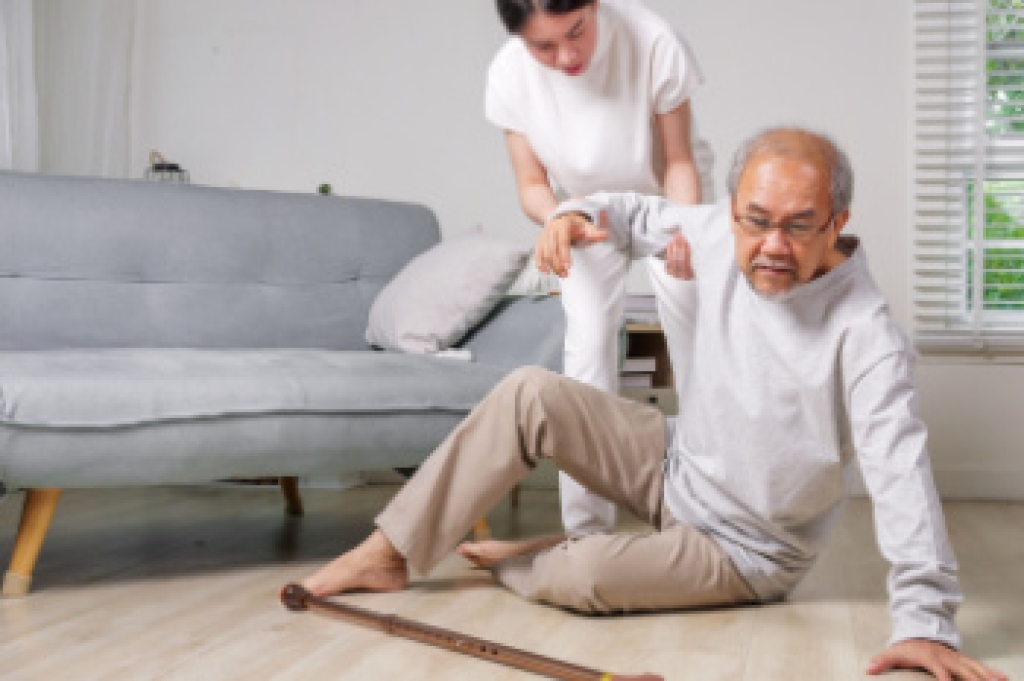
Preventing Falls When Foot and Ankle Joints Are Affected

Falls are sudden events that cause a person to lose balance and land on the floor or another surface. Foot and ankle problems can make falling more likely, especially when pain changes how someone walks. Osteoarthritis of the feet and ankles is one possible contributor. This condition develops when cartilage within a joint breaks down. Symptoms may include joint pain, stiffness, and tenderness. Joint stiffness may also make steps feel less secure.

Several risk factors can increase the chance of falling. Previous falls, poor balance, and vision problems can affect stability. Osteoarthritis may add another concern because joint damage can make the feet and ankles less flexible. Pain may cause shorter steps or uneven weight distribution. Stiff joints can also make it harder to adjust quickly on uneven surfaces. Weak footwear support, cluttered walkways, and poor lighting can further increase fall risk. Other risks include unsuitable shoes and hazards.


Preventing falls starts with addressing problems that affect safe movement. A podiatrist can examine the feet and ankles, review walking patterns, and order imaging tests when joint damage needs evaluation. Treatment may include wearing supportive footwear, custom orthotics, or recommendations for activity changes. A podiatrist may also review current medications and suggest discussing possible side effects with the prescribing provider. At home, removing loose rugs, improving lighting, and clearing clutter may help to prevent falling.


If a fall causes foot or ankle pain, swelling, or difficulty bearing weight, prompt evaluation is important. A podiatrist can determine whether the injury involves a sprain, fracture, or another condition. Treatment may include protection, immobilization, or medication guidance. Preventive care can reduce future risks. If you have foot or ankle pain from falling, it is suggested that you consult a podiatrist for an accurate diagnosis, appropriate treatment, and additional guidance on fall prevention tips.

Preventing falls among the elderly is very important. If you are older and have fallen or fear that you are prone to falling, consult with one of our podiatrists from Sayville Foot Care. Our doctors will assess your condition and provide you with quality advice and care.

Every 11 seconds, an elderly American is being treated in an emergency room for a fall related injury. Falls are the leading cause of head and hip injuries for those 65 and older. Due to decreases in strength, balance, senses, and lack of awareness, elderly persons are very susceptible to falling. Thankfully, there are a number of things older persons can do to prevent falls.

How to Prevent Falls

Some effective methods that older persons can do to prevent falls include:

  • Enrolling in strength and balance exercise program to increase balance and strength
  • Periodically having your sight and hearing checked
  • Discuss any medications you have with a doctor to see if it increases the risk of falling
  • Clearing the house of falling hazards and installing devices like grab bars and railings
  • Utilizing a walker or cane
  • Wearing shoes that provide good support and cushioning
  • Talking to family members about falling and increasing awareness

Falling can be a traumatic and embarrassing experience for elderly persons; this can make them less willing to leave the house, and less willing to talk to someone about their fears of falling. Doing such things, however, will increase the likelihood of tripping or losing one’s balance. Knowing the causes of falling and how to prevent them is the best way to mitigate the risk of serious injury.  

If you have any questions, please feel free to contact our office located in Sayville, NY . We offer the newest diagnostic and treatment technologies for all your foot care needs.

Read more about Falls Prevention

Connect With Us