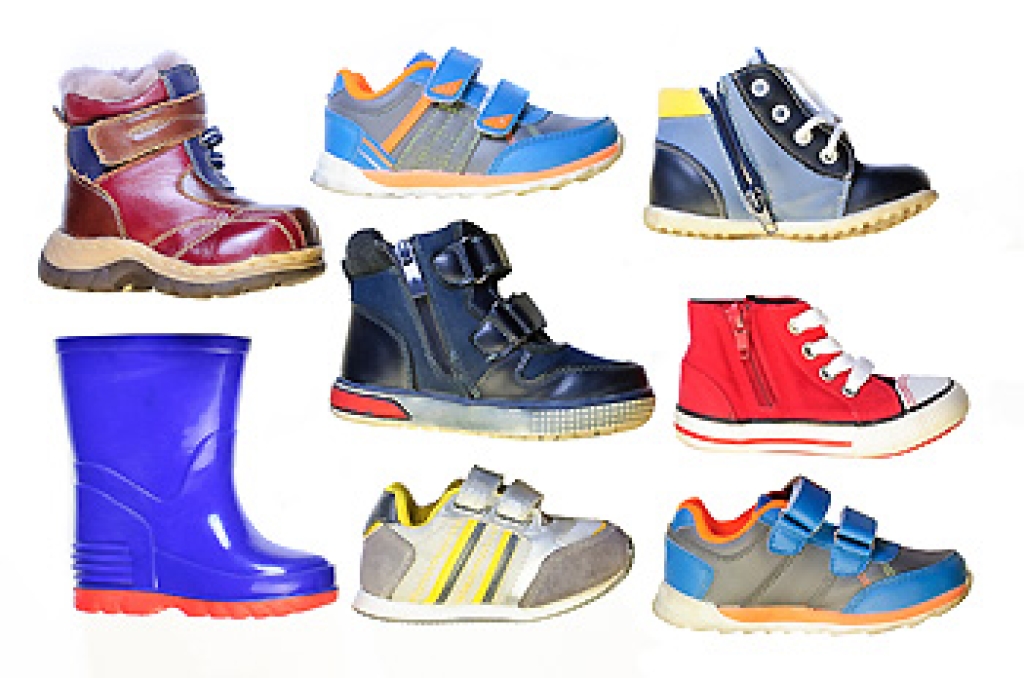
Babies do not need shoes before they begin walking regularly, and spending time barefoot can support healthy foot development. When babies move around without shoes, their toes can spread naturally, helping them feel the floor beneath their feet. This sensory feedback allows them to explore different surfaces and understand how their bodies move. Walking barefoot may also help develop better balance and coordination as babies learn to stand and take their first steps. During this stage, parents can encourage safe movement on clean indoor surfaces while supervising their little ones. Allowing natural foot movement gives growing feet room to develop without unnecessary restrictions.
As babies become more confident walkers, they may begin walking frequently outdoors or in places where their feet need protection. At this point, properly-fitted shoes help protect against rough surfaces and temperature changes. The best first walking shoes should have flexible, non-skid soles that bend easily and provide traction without limiting natural movement. A lightweight design is also important because heavy or stiff footwear make walking more difficult. Shoes should offer enough room for the toes to move freely, with a secure fit around the heel. Parents should check shoe size regularly because babies' feet grow quickly.
As children enter preschool, lace-up shoes provide a secure fit when tied properly and adjusted to support comfortable movement. However, shoe choice should always reflect the child’s needs and ability to manage fastenings safely. Avoid shoes that squeeze the toes or rub against the heel, since poorly-fitting footwear may cause blisters or irritation. Parents should check their child’s feet regularly for redness or pressure marks after wearing shoes. Shoes should feel comfortable from the start rather than requiring a long break-in period. Barefoot play at home can still be encouraged when the environment is clean and safe.
A podiatrist assesses a baby’s or young child’s foot development when parents notice concerns about walking or foot shape. During an evaluation, the podiatrist reviews the child’s walking pattern, examines foot movement, and checks for areas of tenderness or unusual pressure. If needed, recommendations may include footwear adjustments, monitoring development, or treatment for a specific foot condition. Routine attention to shoe fit and natural movement can support healthy development as children grow. If your baby has foot conditions or if you have concerns about walking, it is suggested that you consult a podiatrist for effective treatment tips, and additional guidance on baby’s shoes.
The health of a child’s feet is vital to their overall well-being. If you have any questions regarding foot health, contact one of our podiatrists of Sayville Foot Care. Our doctors can provide the care you need to keep you pain-free and on your feet.
Tips for Keeping Children's Feet Healthy
- Make sure their shoes fit properly
- Look for any signs of in-toeing or out-toeing
- Check to see if they have Clubfoot (condition that affects your child’s foot and ankle, twisting the heel and toes inward) which is one of the most common nonmajor birth defects.
- Lightly cover your baby’s feet (Tight covers may keep your baby from moving their feet freely, and could prevent normal development)
- Allow your toddler to go shoeless (Shoes can be restricting for a young child’s foot)
- Cut toenails straight across to avoid ingrown toenails
- Keep your child’s foot clean and dry
- Cover cuts and scrapes. Wash any scratches with soap and water and cover them with a bandage until they’ve healed.
If you have any questions, please feel free to contact our office located in Sayville, NY . We offer the newest diagnostic and treatment technologies for all your foot care needs.
