Items filtered by date: June 2023
How Is a Broken Ankle Diagnosed?

Ankle pain is most commonly caused by a sprained ligament or strained tendon in the complex ankle joint. However, in many cases it actually may be a sign that you have fractured an ankle bone. Signs of a fractured, or broken, ankle can include pain, an inability to bear weight, and swelling. If a bone is protruding from the skin, it is important to get immediate medical attention. To determine if the ankle pain is from a sprain or a fracture, a podiatrist will order an X-ray to be taken. If a bone is simply misaligned, this type of doctor may put it back in place. Anesthesia and pain medication is likely to be administered. In severe cases, surgery may be required, and plates, screws and wires may be used to keep the bones together. The ankle is generally placed in a cast, and recovery may take up to three months, depending on the severity of the fracture. If you believe you have a fractured ankle, it is suggested that you see a podiatrist for a diagnosis as quickly as possible.
Broken ankles need immediate treatment. If you are seeking treatment, contact one of our podiatrists from Sayville Foot Care. Our doctors can provide the care you need to keep you pain-free and on your feet.
Broken Ankles
A broken ankle is experienced when a person fractures their tibia or fibula in the lower leg and ankle area. Both of these bones are attached at the bottom of the leg and combine to form what we know to be our ankle.
When a physician is referring to a break of the ankle, he or she is usually referring to a break in the area where the tibia and fibula are joined to create our ankle joint. Ankles are more prone to fractures because the ankle is an area that suffers a lot of pressure and stress. There are some obvious signs when a person experiences a fractured ankle, and the following symptoms may be present.
Symptoms of a Fractured Ankle
- Excessive pain when the area is touched or when any pressure is placed on the ankle
- Swelling around the area
- Bruising of the area
- Area appears to be deformed
If you suspect an ankle fracture, it is recommended to seek treatment as soon as possible. The sooner you have your podiatrist diagnose the fracture, the quicker you’ll be on the way towards recovery.
If you have any questions, please feel free to contact our office located in Sayville, NY . We offer the newest diagnostic and treatment technologies for all your foot care needs.
Why Live with Pain and Numbness in Your Feet?

Suffering from this type of pain? You may have the foot condition known as Morton's neuroma. Morton's neuroma may develop as a result of ill-fitting footwear and existing foot deformities. We can help.
Various Reasons for Toe Pain
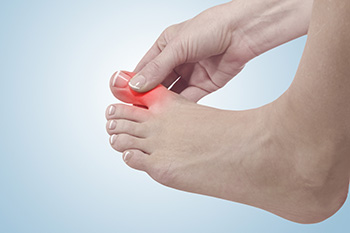
Toe pain can happen for various reasons, and may develop suddenly or gradually. It is helpful to find out why the toe pain has happened, which can make it easier in choosing the appropriate treatment. Having a bunion can cause toe pain to develop. A bunion is defined as a bony lump that forms on the side of the big toe, and many cause pain and discomfort. A protective pad may be worn over the bunion for temporary relief. An ingrown toenail often requires the expertise of a podiatrist who can effectively treat it, and apply medicine that can help guard against infection. The bottom of the big toe is affected by the condition that is known as turf toe. It can happen if there is stress while flexing the toe and targets the soft tissues and ligaments. The arthritic condition known as gout can cause debilitating pain and can happen from genetic reasons, or from eating foods that are laden with purines. If you have toe pain for any reason, it is strongly suggested that you are under the care of a podiatrist who can determine the cause and offer correct treatment options.
Toe pain can disrupt your daily activities. If you have any concerns, contact one of our podiatrists of Sayville Foot Care. Our doctors can provide the care you need to keep you pain-free and on your feet.
What Causes Toe Pain?
Most severe toe pain is caused due to a sports injury, trauma from dropping something heavy on the toe, or bumping into something rigid. Other problems can develop over time for various reasons.
Toe pain can be caused by one or more ailments. The most common include:
- Trauma
- Sports injury
- Wearing shoes that are too tight
- Arthritis
- Gout
- Corns and calluses
- Hammertoe
- Bunions
- Blisters
- Ingrown toenails
- Sprains
- Fractures (broken bones)
- Dislocations
When to See a Podiatrist
- Severe pain
- Persistent pain that lasts more than a week
- Signs of infection
- Continued swelling
- Pain that prevents walking
Diagnosis
In many cases the cause of toe pain is obvious, but in others, a podiatrist may want to use more advanced methods to determine the problem. These can range from simple visual inspections and sensation tests to X-rays and MRI scans. Prior medical history, family medical history, and any recent physical traumatic events will all be taken into consideration for a proper diagnosis.
Treatment
Treatments for toe pain and injuries vary and may include shoe inserts, padding, taping, medicines, injections, and in some cases, surgery. If you believe that you have broken a toe, please see a podiatrist as soon as possible.
If you have any questions please feel free to contact our office located in Sayville, NY . We offer the newest diagnostic tools and technology to treat your foot and ankle needs.
Two Groups of Foot Muscles

People who frequently go to the gym understand the importance of exercising the muscles in their bodies. With this being noted, the feet are often neglected, and many people fail to properly stretch and exercise their feet. The muscles in the feet can be categorized into two different areas, and the intrinsic foot muscles can be referred to as the core of the feet. The arch is maintained by these muscles and can aid in shock absorption. Global muscles are typically larger, and the ankle is moved by these types of muscles, which are also responsible for pointing and flexing the toes. Common exercises to perform consists of picking up marbles with the toes. This stretch can engage both groups of muscles. A strengthening exercise for the toes can be done by spreading them out as far as possible, repeated several times. If you would like more information about how foot exercises can benefit the feet, it is suggested that you speak with a podiatrist who can guide you toward effective foot stretches to perform.
Exercising your feet regularly with the proper foot wear is a great way to prevent injuries and build strength. If you have any concerns about your feet, contact one of our podiatrists from Sayville Foot Care. Our doctors can provide the care you need to keep you pain-free and on your feet.
Exercise for Your Feet
Exercise for your feet can help you gain strength, mobility and flexibility in your feet. They say that strengthening your feet can be just as rewarding as strengthening another part of the body. Your feet are very important, and we often forget about them in our daily tasks. But it is because of our feet that are we able to get going and do what we need to. For those of us fortunate enough to not have any foot problems, it is an important gesture to take care of them to ensure good health in the long run.
Some foot health exercises can include ankle pumps, tip-toeing, toe rises, lifting off the floor doing reps and sets, and flexing the toes. It is best to speak with Our doctors to determine an appropriate regimen for your needs. Everyone’s needs and bodies are different, and the activities required to maintain strength in the feet vary from individual to individual.
Once you get into a routine of doing regular exercise, you may notice a difference in your feet and how strong they may become.
If you have any questions please feel free to contact our office located in Sayville, NY . We offer the newest diagnostic and treatment technologies for all your foot and ankle needs.
Who Gets Sever’s Disease?
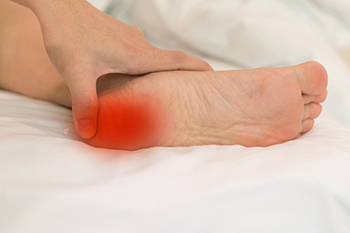
A common cause of heel pain in children and young adults can be associated with Sever’s disease. It is a condition that affects the growth plates in the heels of active children and can cause pain and discomfort. Parents may notice their children begin to tiptoe or limp, and these are classic symptoms of Sever’s disease. It can happen as a result of participating in jumping and running activities, and treatment generally begins with temporarily stopping the activity that caused the condition. This can be followed by frequently elevating the affected foot, and it may help to perform specific stretches that can relieve heel pain. Children may benefit from wearing custom-made orthotics until the growth spurt has stopped. If your child has heel pain, it is strongly suggested that you consult with a podiatrist who can accurately diagnose Severs disease, and offer additional treatment options.
Sever's disease often occurs in children and teens. If your child is experiencing foot or ankle pain, see one of our podiatrists from Sayville Foot Care. Our doctors can treat your child’s foot and ankle needs.
Sever’s Disease
Sever’s disease is also known as calcaneal apophysitis, which is a medical condition that causes heel pain I none or both feet. The disease is known to affect children between the ages of 8 and 14.
Sever’s disease occurs when part of the child’s heel known as the growth plate (calcaneal epiphysis) is attached to the Achilles tendon. This area can suffer injury when the muscles and tendons of the growing foot do not keep pace with bone growth. Therefore, the constant pain which one experiences at the back of the heel will make the child unable to put any weight on the heel. The child is then forced to walk on their toes.
Symptoms
Acute pain – Pain associated with Sever’s disease is usually felt in the heel when the child engages in physical activity such as walking, jumping and or running.
Highly active – Children who are very active are among the most susceptible in experiencing Sever’s disease, because of the stress and tension placed on their feet.
If you have any questions, please feel free to contact our office located in Sayville, NY . We offer the newest diagnostic and treatment technologies for all your foot and ankle injuries.
