Items filtered by date: April 2020
Foot Pain and Morton’s Neuroma
 Morton’s neuroma is an uncomfortable foot condition that may develop for a number of reasons. One common cause of Morton’s neuroma is ill-fitting footwear. Those who wear shoes that restrict or constrain the toes may develop Morton’s neuroma. This condition is caused by a pinch nerve that creates a sharp, burning sensation that can be incredibly painful. Some patients that have had this condition describe experiencing feeling as if they are walking with a pebble stuck in their shoe. Most of the discomfort from this condition is felt in the ball of the foot or toe areas. To help find relief, it may be helpful to wear wider shoes. For professional advice on how to treat this condition, it’s suggested that you consult with a podiatrist.
Morton’s neuroma is a very uncomfortable condition to live with. If you think you have Morton’s neuroma, contact one of our podiatrists of Sayville Foot Care. Our doctors will attend to all of your foot care needs and answer any of your related questions.
Morton’s Neuroma
Morton's neuroma is a painful foot condition that commonly affects the areas between the second and third or third and fourth toe, although other areas of the foot are also susceptible. Morton’s neuroma is caused by an inflamed nerve in the foot that is being squeezed and aggravated by surrounding bones.
What Increases the Chances of Having Morton’s Neuroma?
- Ill-fitting high heels or shoes that add pressure to the toe or foot
- Jogging, running or any sport that involves constant impact to the foot
- Flat feet, bunions, and any other foot deformities
Morton’s neuroma is a very treatable condition. Orthotics and shoe inserts can often be used to alleviate the pain on the forefront of the feet. In more severe cases, corticosteroids can also be prescribed. In order to figure out the best treatment for your neuroma, it’s recommended to seek the care of a podiatrist who can diagnose your condition and provide different treatment options.
If you have any questions, please feel free to contact our office located in Sayville, NY . We offer the newest diagnostic and treatment technologies for all your foot care needs.
Runners and Stress Fractures
 People who enjoy the sport of running and jogging generally understand they may gradually endure a stress fracture. This is considered to be a hairline fracture of the bones in the feet, and can cause severe pain and discomfort. One way a stress fracture may develop is from consistent running. Swelling and bruising may be additional symptoms, and the impacted foot can benefit by frequently resting. This typically means that running is ceased for a significant amount of time as the healing process occurs. The first signs of a developing stress fracture may be ignored, but will eventually worsen unless it is promptly treated. If you feel you have a stress fracture, it is suggested that you consult with a podiatrist who can help you with correct treatment options.
Stress fractures occur when there is a tiny crack within a bone. To learn more, contact one of our podiatrists from Sayville Foot Care. Our doctors can provide the care you need to keep you pain free and on your feet.
How Are They Caused?
Stress fractures are the result of repetitive force being placed on the bone. Since the lower leg and feet often carry most of the body’s weight, stress fractures are likely to occur in these areas. If you rush into a new exercise, you are more likely to develop a stress fracture since you are starting too much, too soon. Pain resulting from stress fractures may go unnoticed at first, however it may start to worsen over time.
Risk Factors
- Gender – They are more commonly found in women compared to men.
- Foot Problems – People with unusual arches in their feet are more likely to develop stress fractures.
- Certain Sports – Dancers, gymnasts, tennis players, runners, and basketball players are more likely to develop stress fractures.
- Lack of Nutrients – A lack of vitamin D and calcium may weaken the bones and make you more prone to stress fractures
- Weak Bones – Osteoporosis can weaken the bones therefore resulting in stress fractures
Stress fractures do not always heal properly, so it is important that you seek help from a podiatrist if you suspect you may have one. Ignoring your stress fracture may cause it to worsen, and you may develop chronic pain as well as additional fractures.
If you have any questions, please feel free to contact our office located in Sayville, NY . We offer the newest diagnostic and treatment technologies for all your foot care needs.
How Do Broken Toes Occur?
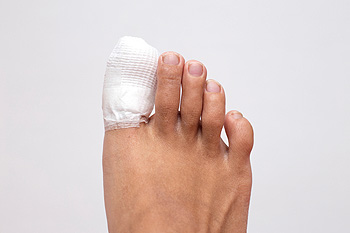 A broken toe is typically not a serious condition, despite the fact that it may cause severe pain and discomfort. It may happen as a result of stubbing your toe against a piece of furniture, or possibly from dropping a heavy object on it. Immediate symptoms may include bruising and swelling on or around the affected toe, difficulty in walking, and the toe may appear deformed. Many patients have found buddy taping to be an effective treatment method for mildly broken toes. This is accomplished by taping the injured toe to the toe next to it. This method may be helpful in providing the necessary support as the healing process takes place. If you have broken your toe, it is suggested that you consult with a podiatrist who can help you to determine which treatment option is best for you.
A broken toe can be very painful and lead to complications if not properly fixed. If you have any concerns about your feet, contact one of our podiatrists from Sayville Foot Care. Our doctors will treat your foot and ankle needs.
What to Know About a Broken Toe
Although most people try to avoid foot trauma such as banging, stubbing, or dropping heavy objects on their feet, the unfortunate fact is that it is a common occurrence. Given the fact that toes are positioned in front of the feet, they typically sustain the brunt of such trauma. When trauma occurs to a toe, the result can be a painful break (fracture).
Symptoms of a Broken Toe
- Throbbing pain
- Swelling
- Bruising on the skin and toenail
- The inability to move the toe
- Toe appears crooked or disfigured
- Tingling or numbness in the toe
Generally, it is best to stay off of the injured toe with the affected foot elevated.
Severe toe fractures may be treated with a splint, cast, and in some cases, minor surgery. Due to its position and the pressure it endures with daily activity, future complications can occur if the big toe is not properly treated.
If you have any questions please feel free to contact our office located in Sayville, NY . We offer the newest diagnostic and treatment technologies for all your foot and ankle needs.
Plantar Warts Can Be Treated!

Plantar warts are small growths that develop on parts of the feet that bear weight. They're typically found on the bottom of the foot. Don't live with plantar warts, and call us today!
Where Are the Sesamoid Bones Located?
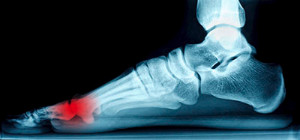 The pain and discomfort that is often experienced with the medical condition sesamoiditis is generally felt under the big toe. Two sesamoid bones are found inside the tendons of the big toe, and can become injured if shoes that are worn do not fit correctly. These types of shoes can include high heels, which typically have inadequate room for the toes to move freely in. A common symptom that many patients experience with this condition can consist of a dull pain that can become stronger as walking and running activities are pursued. It is beneficial to perform exercises that can strengthen the feet, as this may help the foot to generally feel better. If you have pain on the bottom of your foot near the big toe, it is advised that you seek the counsel of a podiatrist who can properly treat this condition.
Sesamoiditis is an unpleasant foot condition characterized by pain in the balls of the feet. If you think you’re struggling with sesamoiditis, contact one of our podiatrists of Sayville Foot Care. Our doctors will treat your condition thoroughly and effectively.
Sesamoiditis
Sesamoiditis is a condition of the foot that affects the ball of the foot. It is more common in younger people than it is in older people. It can also occur with people who have begun a new exercise program, since their bodies are adjusting to the new physical regimen. Pain may also be caused by the inflammation of tendons surrounding the bones. It is important to seek treatment in its early stages because if you ignore the pain, this condition can lead to more serious problems such as severe irritation and bone fractures.
Causes of Sesamoiditis
- Sudden increase in activity
- Increase in physically strenuous movement without a proper warm up or build up
- Foot structure: those who have smaller, bonier feet or those with a high arch may be more susceptible
Treatment for sesamoiditis is non-invasive and simple. Doctors may recommend a strict rest period where the patient forgoes most physical activity. This will help give the patient time to heal their feet through limited activity. For serious cases, it is best to speak with your doctor to determine a treatment option that will help your specific needs.
If you have any questions please feel free to contact our office located in Sayville, NY . We offer the newest diagnostic and treatment technologies for all your foot and ankle needs.
